6 Min
Read
December 10, 2025
How Coach Drivers Are Trained for Your Safety
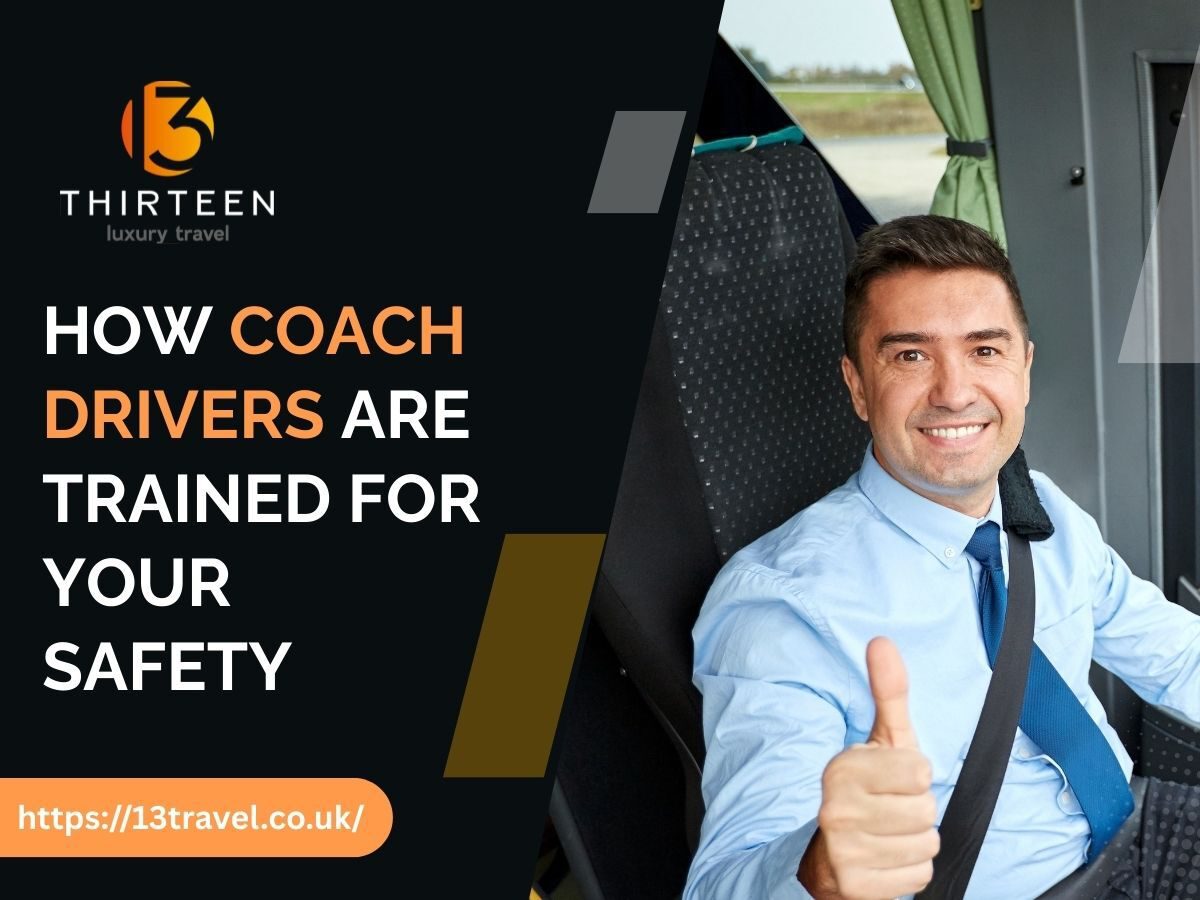
When you book a coach or minibus, you are placing your trust in the person behind the wheel. The driver is responsible for your safety, comfort, and timely arrival. But have you ever wondered what it takes to become one of these professionals? The journey to becoming a qualified coach driver in the UK is rigorous, demanding a unique blend of technical skill, safety consciousness, and excellent customer service.
Understanding the extensive training process can give you peace of mind when booking your next trip. This guide will walk you through how professional coach drivers are trained, from the initial license requirements to the ongoing development that keeps them at the top of their game. At 13 Travel, we pride ourselves on having a team of highly skilled and vetted drivers, ensuring every journey is a safe and pleasant one.
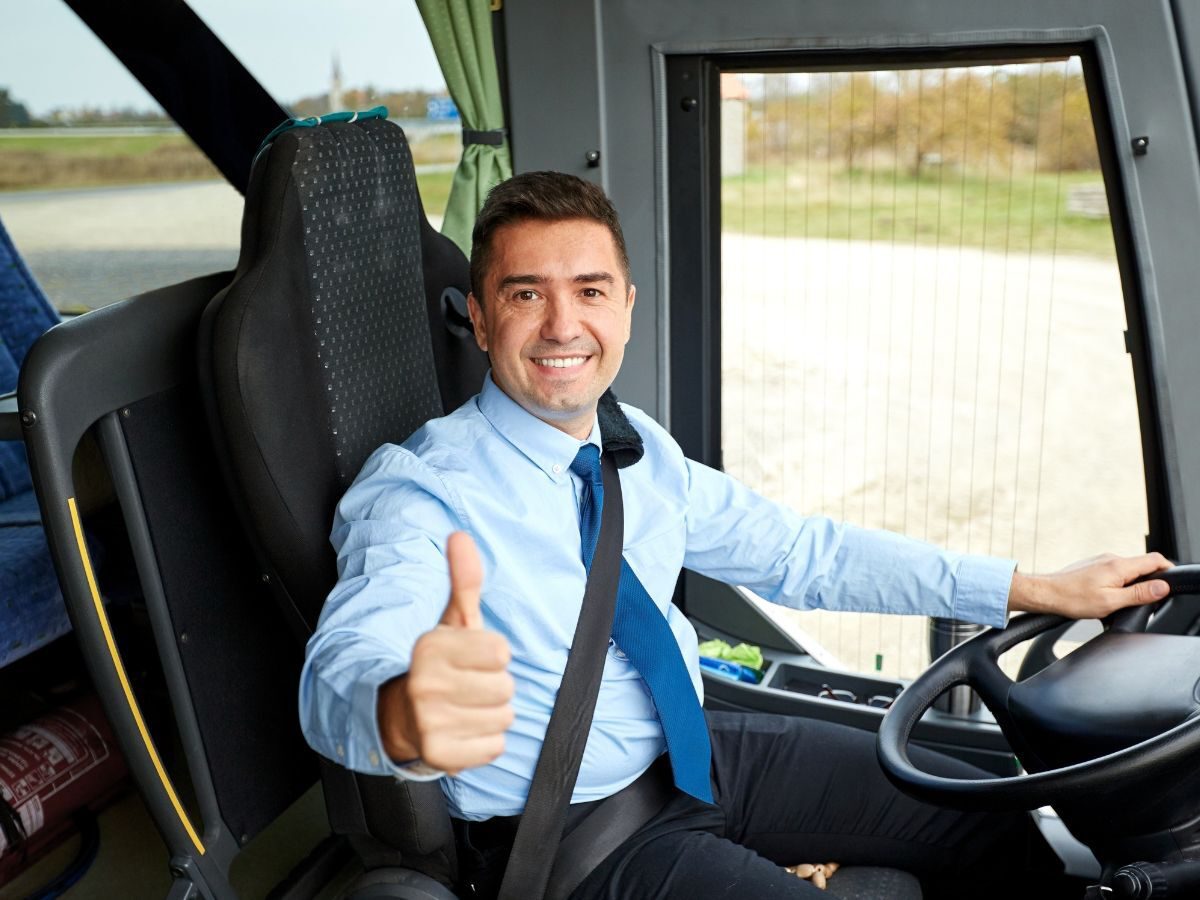
Being a great coach driver is about more than just steering a large vehicle. It requires a diverse skill set to manage every aspect of the journey effectively. Professional coach drivers must be masters of multitasking, balancing passenger safety with route efficiency and customer care.
Key skills include:
Safety Awareness: An unwavering commitment to safety is the most critical attribute. This includes understanding vehicle mechanics, adhering to traffic laws, and anticipating potential hazards on the road.
Customer Service: Drivers are the face of the company. A friendly, helpful, and professional attitude ensures passengers feel welcome and looked after throughout their trip.
Route Planning: The ability to plan and navigate routes efficiently is essential for staying on schedule and avoiding unnecessary delays.
Long-Distance Driving: Stamina, concentration, and the ability to manage fatigue are vital for long journeys, ensuring the driver remains alert and focused.
The path to becoming a professional coach driver in the UK is structured and regulated to ensure only competent individuals get behind the wheel. The comprehensive coach training process combines theoretical knowledge with extensive practical experience.
The journey typically involves:
This structured approach ensures that all new coach drivers in the UK meet a high national standard before they are allowed to transport passengers.
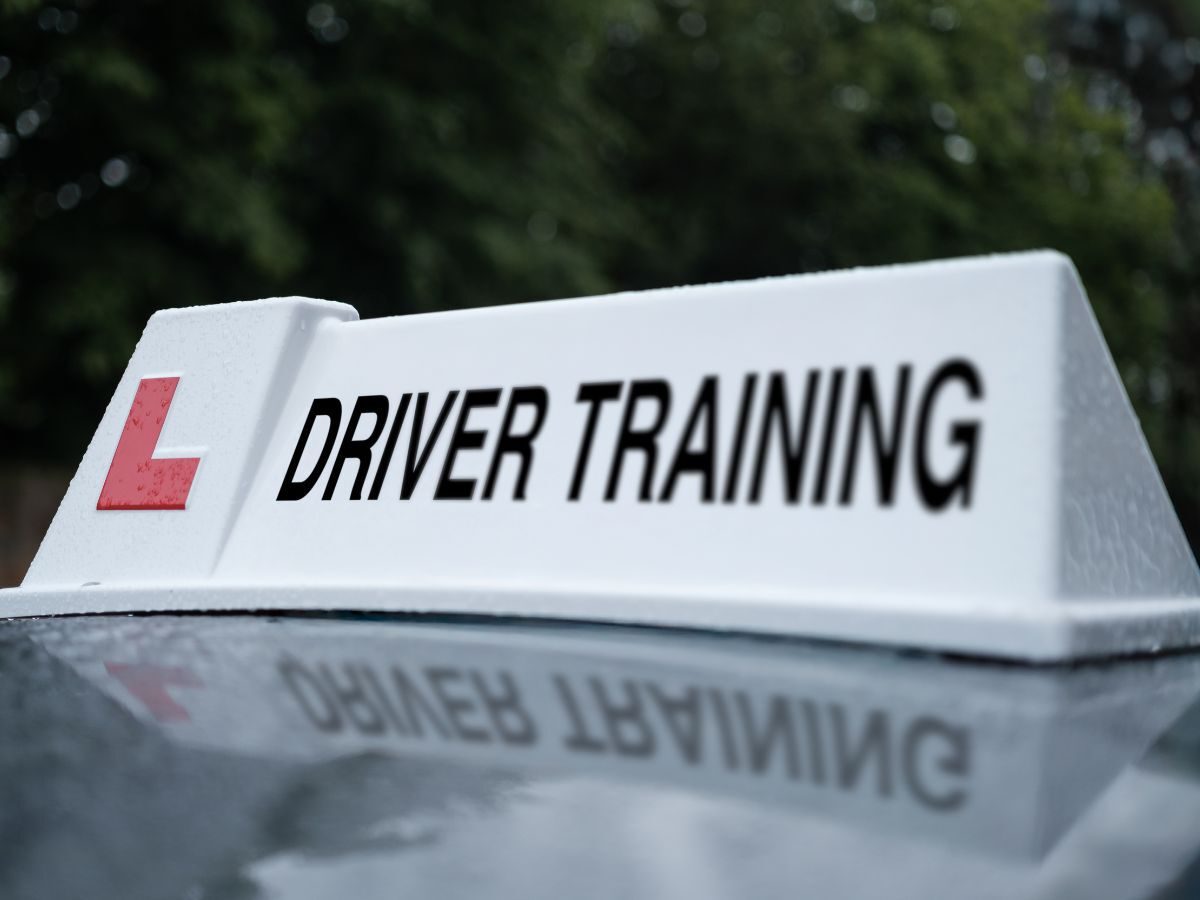
Safety is the cornerstone of professional coach travel. A significant portion of minibus driver training is dedicated to instilling a deep understanding of safety protocols and defensive driving techniques. This goes far beyond basic driving skills.
Defensive Driving: This teaches drivers to anticipate the actions of other road users and identify potential hazards before they become dangerous. It's about maintaining a safe space around the vehicle and being prepared for the unexpected.
Emergency Procedures: Drivers are trained to handle various emergency situations, from vehicle breakdowns and medical incidents to adverse weather conditions.
For companies like 13 Travel, ensuring safe coach travel is our number one priority. We invest in drivers who have demonstrated exceptional safety awareness and a commitment to these principles.
A journey is more than just getting from point A to point B. The experience matters, and the driver plays a huge role in shaping it. That’s why customer service training is an integral part of becoming a professional coach driver.
This training focuses on:
A great driver makes passengers feel valued and comfortable, turning a standard trip into a genuinely pleasant experience.
Navigating the UK’s extensive road network requires skill, especially when driving a large vehicle on a tight schedule. Drivers are trained in effective route planning, using both traditional maps and modern GPS technology to find the most efficient and safest routes.
For long-distance trips, specialized training helps drivers manage:
This expertise ensures your journey is as seamless and stress-free as possible, whether it's a short airport transfer or a multi-day tour across the country.
The UK has strict licensing requirements for anyone wanting to drive a coach or minibus professionally. This ensures a high standard of competence and safety across the industry.
The Passenger Carrying Vehicle (PCV) licence is essential. There are different categories, but a driver will typically need a Category D licence to drive a coach with more than 16 passenger seats. Getting this licence involves passing medical checks and multiple theory and practical tests.
The Driver Certificate of Professional Competence (CPC) is a qualification for professional bus, coach, and lorry drivers. It was introduced to improve road safety and maintain high standards of driving. The initial qualification involves passing four modules. After qualifying, drivers must complete 35 hours of periodic training every five years to keep their CPC valid.
Qualifying is just the beginning. The best professional coach drivers are committed to lifelong learning. Reputable companies conduct final evaluations before a driver takes on their first job and implement programs for continuous professional development.
This includes:
At 13 Travel, we believe continuous training is key to maintaining our reputation for excellence. It ensures our team of professional coach drivers remains among the best in the business, providing you with reliable and safe service every time.

If you want safe, reliable, and professionally trained drivers for your next trip, 13 Travel is here for you. From school runs to corporate travel, weddings, airport transfers, and long-distance trips — we ensure comfort, safety, and professionalism every mile of the way. Contact 13 Travel today and book your coach or minibus with confidence.